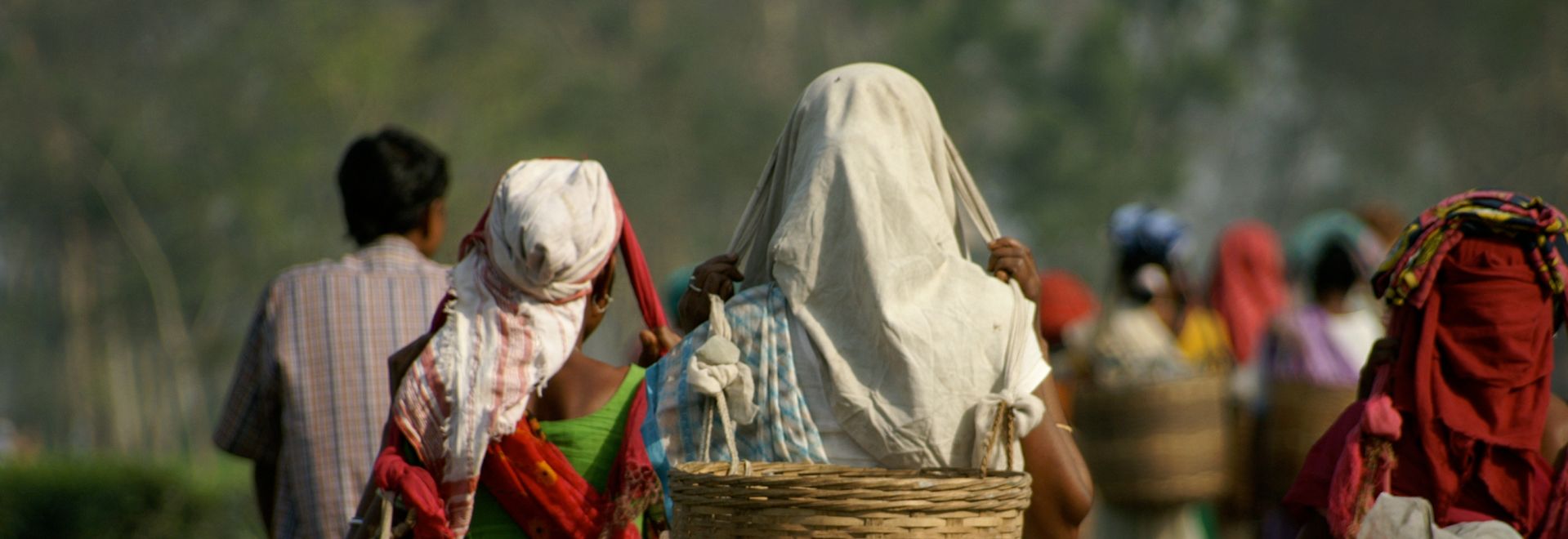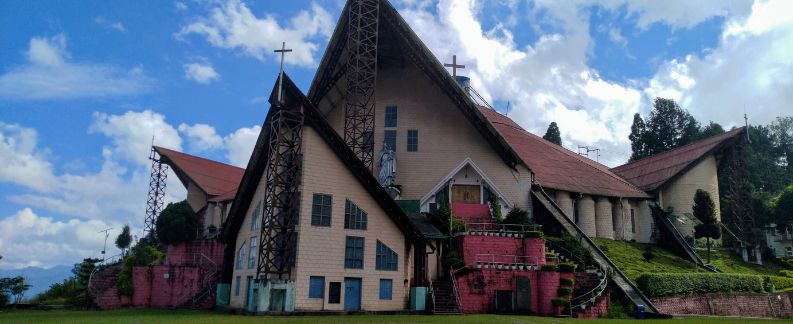
Journey through the enchanting landscapes, vibrant cultures, and timeless traditions of Northeast India. From misty mountains and lush valleys to fascinating tribal heritage and hidden gems, discover a region where nature and culture come together beautifully.
Welcome to India, or as we say ‘Atithi Devo Bhava’ (The guest is an incarnation of God). Thank you for giving us the opportunity to serve you!!
Late night arrival, meeting and assistance upon arrival as our representatives welcome you and escort you to your car.
Whilst the room keys and check-in is organized, our representative would introduce the tour to you and hand over the documents to you.
Overnight at Hotel

Early morning, we will transfer you to the Delhi airport for your onward flight to Guwahati.
Meeting and assistance upon arrival as our representative will welcome you and from here, we will drive to Shillong – the capital of Meghalaya.
Upon arrival, we will check in to hotel, Polo Towers.
Evening we will walk around the Police Bazaar Area – Shillong’s prime location.
Overnight at Hotel
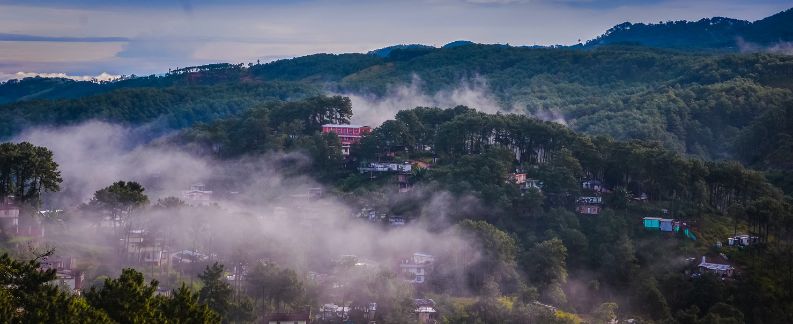
Following breakfast, you will embark on a scenic drive to Cherrapunjee, once known as the wettest place on Earth. Cherrapunjee, locally called Sohra, is famous for its dramatic landscapes, gushing waterfalls, and limestone caves.
On arrival to Cherrapunjee visit to the Garden of Caves, a stunning site featuring waterfalls, caves, and natural rock formations hidden within a forested area. Each cave has its own unique charm, with the play of light and water creating a tranquil ambiance.
Next, you will visit the Arwah Cave, known for its impressive stalactites, stalagmites, and ancient fossils. This relatively unexplored cave is a natural wonder that allows you to immerse yourself in the subterranean beauty of Meghalaya.
Our journey continues to the Seven Sister Falls and Mawsmai Cave, an extraordinary natural wonder that will leave you in awe. The cave is partially open to tourists, with a 150-meter section accessible for exploration. Inside, you'll encounter a fascinating array of stalactites and stalagmites in innumerable forms, shapes, and sizes. This intricate cave system, formed over centuries by natural abrasion and underground water, is a testament to the enduring power of natural forces. As you navigate through the cave, you'll be left to imagine countless life forms inspired by the unique formations
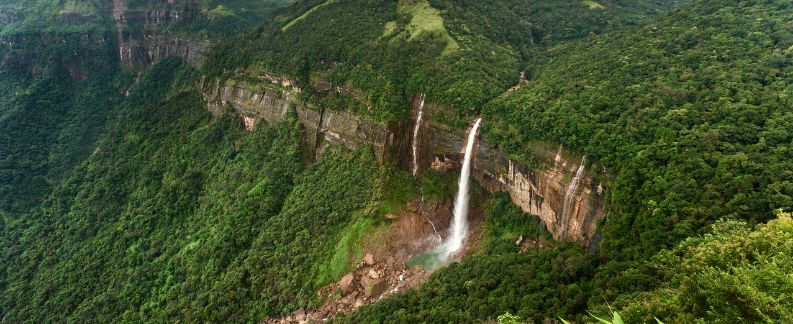
This highlight of the day is a visit to Nohkalikai Falls, one of the tallest waterfalls in India, plunging from a height of 1,115 feet. The falls are named after a local legend about a woman named Likai, and the dramatic view from the viewpoint offers an unforgettable sight and Nohsngithiang, also known as the Seven Sisters Falls. As evening approaches, return to Shillong for overnight stay.
During the dry season, waterfalls may have reduced water flow or even run dry.
Overnight at Hotel
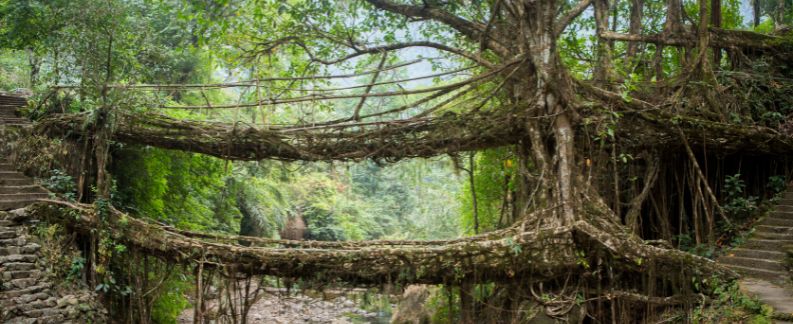
After breakfast drive towards Mawlynnong nestled in the East Khasi Hills of Meghalaya, Mawlynnong is often referred to as "God's Own Garden" for its remarkable cleanliness and natural beauty. This small village has earned international recognition for its eco-friendly practices and is a model of community-driven tourism and environmental sustainability.
In terms of local sightseeing, Mawlynnong is famous for its living root bridges, particularly the Riwai Root Bridge. These bridges are ingeniously created by guiding the roots of rubber trees to form natural, sturdy walkways over streams and rivers. The bridges are a marvel of bioengineering and provide a picturesque and unique trekking experience. Another notable attraction is the Sky View Point, a bamboo structure offering a panoramic view of the surrounding landscape, including the Bangladesh plains. Constructed by the villagers, the viewpoint showcases their skill and provides a stunning perspective on the region's topography.
A natural wonder, the Balancing Rock consists of a large boulder resting on a much smaller rock. This intriguing formation has stood the test of time and is a popular spot for tourists interested in geology and natural phenomena.
Mawllynong village itself is a tourist attraction, renowned for its cleanliness. Visitors can stroll through the neat, flower-lined pathways, interact with the friendly locals, and learn about the community's waste management and eco-friendly practices that have made Mawlynnong an inspiration for sustainable living.
Mawllynong Village remains close on Sundays
Later visit Dawki, the Bangladesh Border (Tamabil Border from Bangladesh side). Main attraction is the Umgot river with crystal clear water. You can enjoy along boat ride there (boating is subjected to river conditions) – This boating is on wooden boat with Oar men and seating arrangements is on wooden planks (maximum 03 pax allowed per boat). Life jackets are available and shall ask the driver to assist on the same. Road in Dawki is under renovation and potholes or broken patches can be expected.
Overnight at Hotel
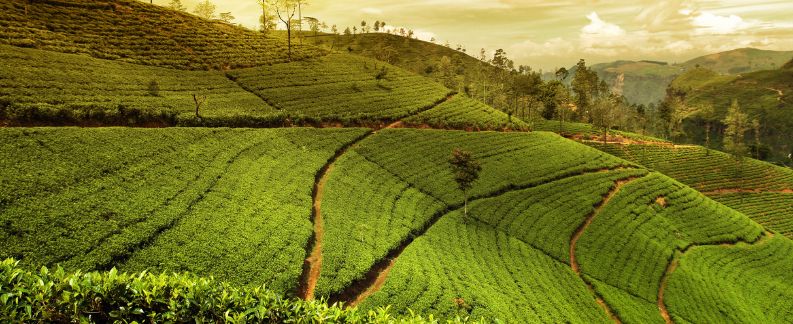
Morning, we will head towards Tezpur – a city with Lush green tea gardens, picturesque landscapes and endless paddy fields framed by the snow-clad Himalayas. Originally, Tezpur is said to have been known as Haruppesvera, during the reign of the Mlechchha dynasty (650 - 900 AD). The rock inscriptions of Harjar Varma point to the fact that the city was in existence from 829-30 AD. Modern-day Tezpur was founded in 1835 by the British colonial administration. In fact, the city was an important centre of trade that was used as a river port. After independence, the city continued to maintain its significant streak and was the site of the establishment of the first electric power station in this part of the country.
Overnight at Hotel
After breakfast, continue your journey to Dirang. The drive takes you through scenic landscapes and winding mountain roads, providing breathtaking views at every turn. Dirang is an almost picture-perfect Tibetan-Monpa stone village, with traditional stone houses and a picturesque setting. Above the charming stone houses rises a steep rocky hill topped with the Old Dirang Gompa and several stone walls.
Upon arrival in Dirang, if time permits, visit the incredible Dirang Dzong, also known as the Dirang Fort. This 17th-century citadel was built to protect Bomdila from invasions and was later used as a prison during the Vietnam War and as a refuge during World War II. Situated atop a hill, the fort includes four-tiered armored stone slabs upheld by wooden logs, with a wooden gate adorned with beautiful and intricate designs. The architecture of the fort and the distinct style of the houses in the tribal belt are designed to protect residents from harsh weather conditions.
Next, visit the Thupsung Dhargey Ling Monastery, a learning institute for the study of Tibetan Buddhism. The name “Thupsung Dhargey Ling” was given by His Holiness the Dalai Lama, meaning the place of flourishing of Buddha’s speech. The monastery is an important cultural and religious center for the local Monpa community.
After a day of exploration, enjoy a comfortable overnight stay in Dirang, reflecting on the architectural marvels and cultural heritage you’ve experienced.
Overnight at Hotel
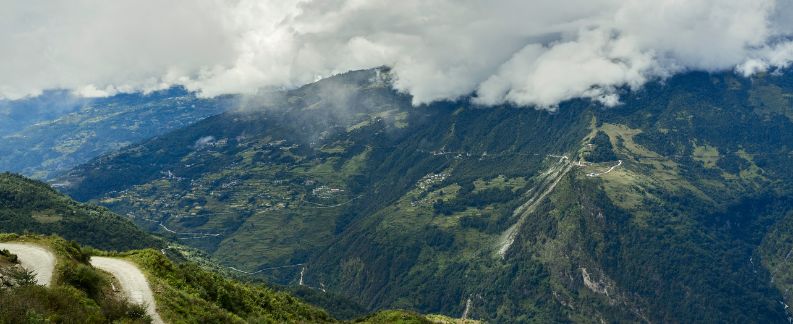
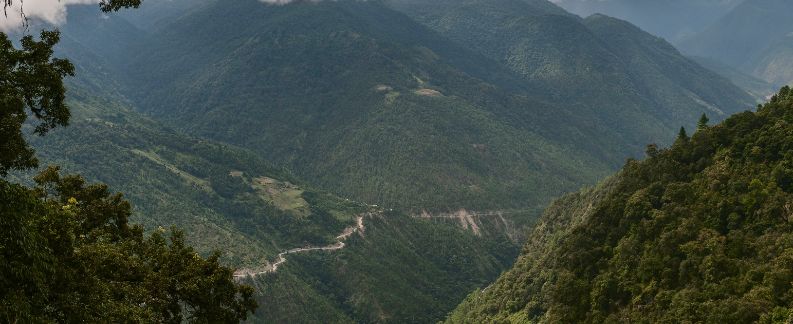
Today’s drive to Tawang will take you through challenging yet breathtaking terrain. The journey, will be strenuous but rewarding. The mountains here are towering and majestic, with brownish slopes and rocky, parched peaks. Along the way, you will pass through the Sela Pass, lying at an altitude of 13,400 feet above sea level. This high-altitude motorable pass offers some of the most mesmerizing views of the snow-clad mountains. After a short tea break, resume your journey towards Tawang.
Upon arrival in Tawang, check into your hotel. Tawang is a unique and captivating destination, nestled in a valley fringed by hulking mountains. The town works its magic on travelers' minds, with its stunning mountain ridges, vast fields, and clusters of Buddhist monasteries and Monpa villages. Spend the evening exploring the town or relaxing at your hotel, enjoying the serene atmosphere. Overnight stay
Overnight at Hotel
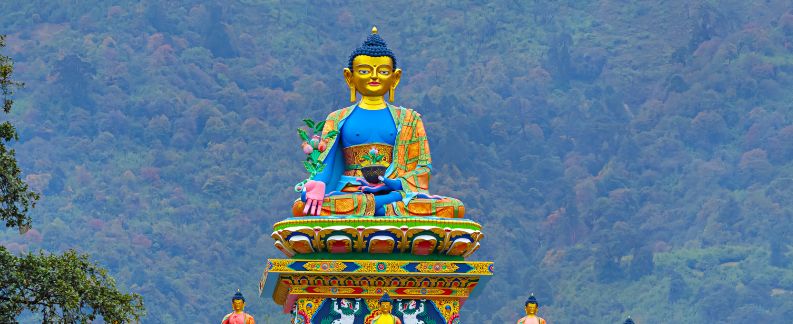
Breakfast at the hotel. Proceed for sightseeing of 400 years (17th century) old Tawang Monastery which is the second largest monastery in the world after Potala Palace in Tibet. The building is about 113 feet long and 80 feet wide and houses valuable antiquities, books and manuscripts-handwritten and printed. Later visit Tawang War Memorial, a 40 foot high multi-hued memorial, has a structure constructed in stupa design. Dedicated to the martyrs of Sino-Indo War held in 1962, this memorial is nestled among beautiful peaks, which overlooks the Tawang-Chu valley. visit Urgelling Monastery, the birthplace of the 6th Dalai Lama. This monastery is another important spiritual site and provides insight into the rich religious history of the region. Later visit the Chagzam Bridge is a suspension bridge located in Tawang, Arunachal Pradesh. It was built in the year 1420 AD by Thangtong Gyalpo. Explore the local market of the Tawang. Overnight in Tawang.
Overnight at Hotel
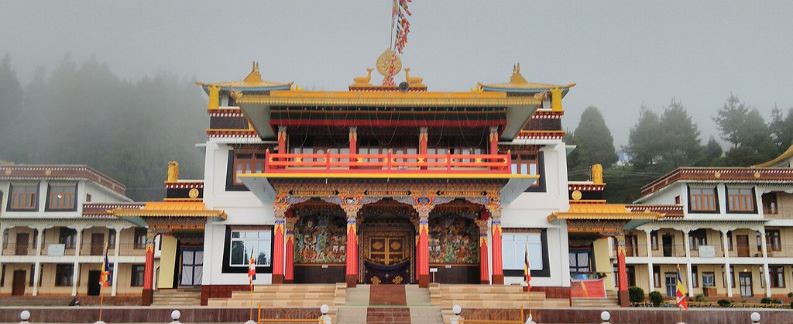
After breakfast check out from hotel and visit the 400 years (17th century) old Tawang Monastery which is the second largest monastery in the world after Potala Palace in Tibet. The building is about 113 feet long and 80 feet wide and houses valuable antiquities, books and manuscripts-handwritten and printed Later visit Urgelling Monastery, the birthplace of the 6th Dalai Lama. This monastery is another important spiritual site and provides insight into the rich religious history of the region.
Later head towards Bomdila, the headquarters of the West Kameng district, located at the height of 8500 ft above sea level. Bomdila offers cool climate, apple orchards, artistic people, snow-capped Himalayan peaks, and Buddhist Gompas. The Buddhist monastery of Bomdila is the repository of culture. Enjoy an overnight stay at the hotel in Bomdila.
Overnight at Hotel
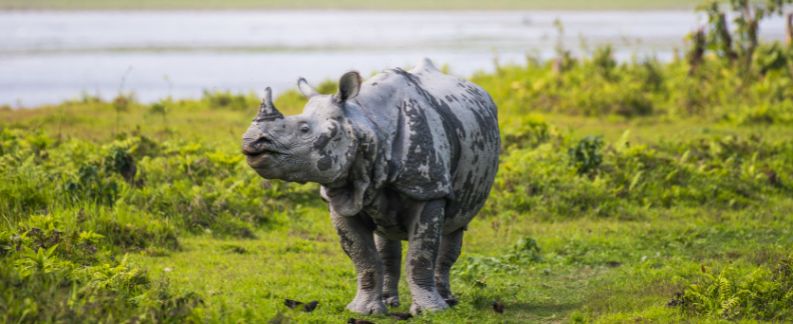
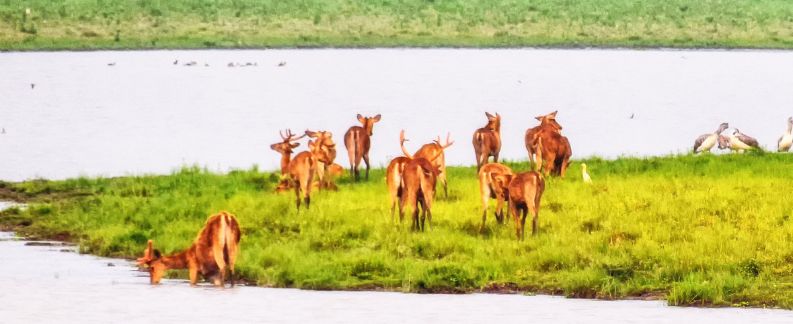
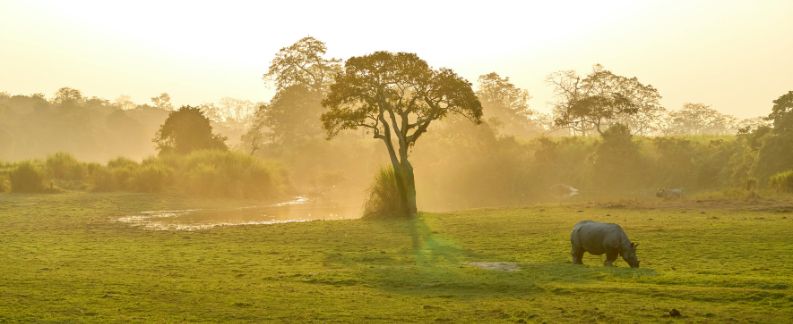
An early start awaits as we embark on a morning elephant safari in Kaziranga National Park. This unique experience allows for close encounters with the park's diverse wildlife, including the majestic one-horned rhinoceros, elephants, and various species of deer. The park is characterized by its lush grasslands, wetlands, and dense forests, providing a habitat for an incredible array of flora and fauna.
We will proceed for a morning & afternoon jungle excursion in an Exclusive / Private Jeep in Kaziranga National Park. The visit in this park enables one to experience the wetland ecosystem with its tall wet grassland and giant plant-eating animals – mega herbivores such as the Rhino and Asian Elephant. The adaptation of various endemic birds and mammals to this unique and constantly changing ecosystem can be witnessed. With over 490 species being recorded in the Park, Kaziranga is an ideal place for bird watching. The visit in the park enables one to concentrate on wildlife activity. Guides and drivers (who have worked with international wildlife film crews, ornithologists and botanists) constantly go into the Park and are best informed about recent sightings and whereabouts. They will help you to plan your activities. The frequent and prolonged sightings of animals such as the Rhino, Wild Buffalo, Swamp Deer and Elephant give fantastic opportunities to the photographer. The lush landscape, which remains green throughout the year, is an ideal backdrop.
Overnight at Hotel
We will proceed for a morning & afternoon jungle excursion in an Exclusive / Private Jeep in Kaziranga National Park.
Overnight at Hotel
Day 13: Kaziranga National Park – Kohima (220 kms / 4 hrs)
After breakfast we shall set off towards Kohima.
En route stop to explore the local market of Dimapur - There is nothing quite like the sensory experience of a trip to a market. The sights, sounds and smells assault the senses in a way where visitors are most likely to get a glimpse into how the locals live and interact in everyday life. There are a number of local markets in Dimapur where you can find great local produce, authentic food, and enjoy soaking up the atmosphere of laidback Naga life.
Your lunch will be organized in a local restaurant in Dimapur town. Later we shall process towards Kohima – which is the land of the Angami Naga tribe located with an average elevation of 1261 meters. The name, Kohima, was officially given by the British as they could not pronounce the Angami name Kewhima or Kewhira (Tenyidie for "the land where the flower Kewhi grows"). It is called after the wild flowering plant Kewhi, found in the mountains.
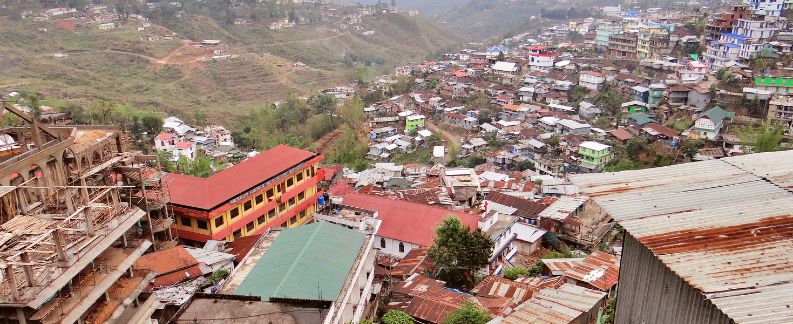
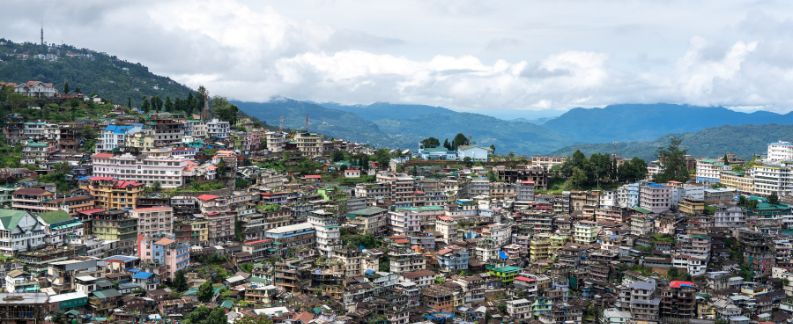
The town of Kohima is located on the top of a high ridge and the town serpentines along the top of the mountain ranges as is typical of most Naga settlements.
On arrival to Kohima check into your rooms and retire for the day.
Overnight at Hotel
After breakfast we shall set off towards Kohima.
En route stop to explore the local market of Dimapur - There is nothing quite like the sensory experience of a trip to a market. The sights, sounds and smells assault the senses in a way where visitors are most likely to get a glimpse into how the locals live and interact in everyday life. There are a number of local markets in Dimapur where you can find great local produce, authentic food, and enjoy soaking up the atmosphere of laidback Naga life.
Your lunch will be organized in a local restaurant in Dimapur town. Later we shall process towards Kohima – which is the land of the Angami Naga tribe located with an average elevation of 1261 meters. The name, Kohima, was officially given by the British as they could not pronounce the Angami name Kewhima or Kewhira (Tenyidie for "the land where the flower Kewhi grows"). It is called after the wild flowering plant Kewhi, found in the mountains.
The town of Kohima is located on the top of a high ridge and the town serpentines along the top of the mountain ranges as is typical of most Naga settlements.
On arrival to Kohima check into your rooms and retire for the day.
Overnight at Hotel
This morning, we take a tour of Kohima, where we will be visiting the 2nd World War Cemetery – constructed in memory of the officers and men who made supreme sacrifices during World War II. On each grave there are beautiful epitaphs engraved in bronze. The famous inscription written on the War Memorial stone reads "WHEN YOU GO HOME TELL THEM OF US AND SAY, FOR YOUR TOMORROW WE GAVE OUR TODAY".
Also visit the Kohima State Museum - a platform that exhibits the vibrant culture of Nagaland through a collection of fascinating arts and artifacts. It is not only the major attraction of Kohima but also the entire state, because very few landmarks like the State Museum bring to limelight the culture of Nagas and their evolution through stages. (Closed on Monday and government holidays or may remain close without any prior information)
We shall visit Khonoma located at a distance of 20 kms / 1 hrs from Kohima which is the first green village of the Nagaland and estimated roughly to be 700 years old spread over an area of 123 sq. km inhabited by 600 household. Khonoma is known for its rich flora and fauna and a stand to important for its unique form of agriculture, including some of the oldest terranced cultivation in the region. A nationality endangered pheasant ‘Blyth’s trogapan’ is reportedly found at Khonoma.
Over a hundred years ago, the advancing British troops found themselves facing a determined warrior tribe in the highland of Nagaland. The Angmi men at Khona, famed for their martial prowess and strategic skills, fought a resolute battle to safeguard their territory, inflicting the heavy causalities on the foreign soldiers. Khonoma is recorded to have resisted British rules in this region from 1830 to 1880.
Overnight at Hotel
(Though the checkout time is 12 noon, every effort would be made to retain rooms till as late as possible without additional charges - subject to availability)
In time, we will transfer to the International airport to board the onward flight.
NO HOTEL QUOTED FOR THIS DAY (B)

Payment secure by
Copyright © 2016 - 2023, Trinetra Tours Pvt Ltd. Powered By DigiLantern